What to Love About a Rustic Style Pie Shop
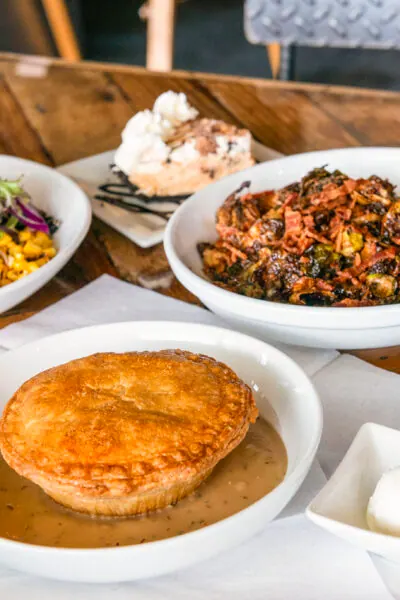
A rustic style pie shop offers something many food businesses try to manufacture and few truly achieve: warmth that feels earned. Not staged, not overdesigned, not polished into sterility. The appeal begins before the first bite. It starts with a door that sticks a little in wet weather, a chalkboard with slightly uneven handwriting, flour dust on an apron, and the smell of butter reaching the sidewalk before the sign does. People respond to that kind of place because it feels grounded. It suggests labor, repetition, and care. It reminds customers that food can still be made by hands that know what they are doing.
That matters more with pie than with almost any other baked good. Pie is familiar, but it is not simple. Good pie asks for judgment at every step. Dough can turn tough if handled a minute too long. Fruit fillings behave differently in July than they do in November. Custards set on a narrow edge between silk and rubber. Savory pies demand structure strong enough to hold fillings and tenderness soft enough to keep the crust from feeling like a container rather than part of the meal. A rustic pie shop, when it is done well, lets you see that craft without making a show of it. The room, the menu, and the baking all point to the same idea: this place values substance over display.
The atmosphere feels inviting instead of performative
There is a difference between a shop that looks rustic and one that lives comfortably in its own character. The first often leans on formula. Reclaimed wood appears everywhere. Every light fixture is exposed filament. Every surface begs to be photographed. The second type has details that make practical sense. Wood counters soften over time because elbows have leaned there for years. Shelves hold canning jars because they are useful storage. Mismatched pie servers are still in circulation because they work and no one saw a reason to replace them with identical branded pieces.
Customers notice that difference, even if they cannot always name it. A genuinely rustic pie shop tends to lower the temperature of a day. People speak more quietly. They stay longer than they planned. They bring a parent the next time or return with a child. Hospitality in these spaces is often tied to small, unadvertised habits. Someone behind the counter may tell you the apple pie is better warmed for ten minutes at home. If a peach pie is running juicy because the fruit came in especially ripe, they might warn you to eat it on a plate instead of out of the box in your car. Those are not polished service scripts. They are the kind of comments that come from caring how the food lands.
A well-run rustic pie shop also avoids one of the common traps in food retail: making guests feel as if they are visiting a concept instead of a business. You should not feel that you are entering a brand statement. You should feel that you are entering a place with a point of view and a memory. The distinction sounds subtle, but customers experience it immediately.
Pie is one of the most honest foods a bakery can sell
Cake can hide behind frosting. Cookies can lean on mix-ins. Pastry can impress with shape. Pie has nowhere to hide. The crust tells you whether the baker understands fat, temperature, and restraint. The filling tells you whether they respect ingredient quality and balance. If the pie shop calls itself rustic, those truths become even clearer because the style usually avoids unnecessary ornament.
That honesty is part of the attraction. Rustic pies are not trying to look machine-made. The lattice may tilt slightly. The crimps may vary. The fruit may bubble over and caramelize at the edge. Those are not flaws in a good pie shop. In many cases, they are evidence of confidence. Bakers who understand pie do not chase perfect uniformity at the expense of texture and flavor.
Consider what happens with a classic apple pie. A less experienced bakery often goes wrong in one of two directions. Either the filling is underseasoned and watery, leaving the bottom crust gray and damp, or the spice blend overruns the fruit so thoroughly that every slice tastes like cinnamon perfume. A strong rustic shop knows the middle path. The apples keep some shape. The filling thickens enough to slice but still moves gently. Salt sharpens the butter in the crust. Acid keeps the sweetness awake. None of that is flashy, but it is deeply satisfying.
Savory pies reveal even more skill. Chicken pot pie, steak and ale pie, mushroom hand pies, or a simple spinach and feta galette can expose weak technique in a hurry. If the shop gets those right, with filling that remains distinct rather than muddy, and crust that stays crisp where it should, you are usually dealing with bakers who understand structure and timing. Rustic style works especially well here because these products benefit from a sense of abundance and generosity, not tight precision.
The best rustic shops make seasonality feel practical
Seasonal menus can become a cliché when every business treats them as a marketing campaign. A rustic pie shop tends to approach seasonality in a more sensible way. If berries are expensive, fragile, and disappointing that week, they come off the board or show up in a limited run. If local rhubarb is excellent for two and a half weeks, it gets center stage. If late summer stone fruit is running sweet, the shop may hold back on sugar and let the fruit carry the pie. That kind of adjustment does not feel trendy. It feels like intelligence.
Anyone who has worked around fruit knows how much it changes. Strawberries can go from beautiful to bruised in a day. Blueberries can vary in sweetness enough to force a recipe correction batch by batch. Peaches are especially humbling. On Tuesday they can be aromatic but firm, ideal for slicing. By Thursday they may need gentler handling and a different thickener ratio. A rustic pie shop that pays attention to these shifts usually turns out better food than one that insists on rigid consistency.
Customers benefit from this approach in subtle ways. First, the menu stays lively without becoming chaotic. You might know the shop always carries a few anchors, perhaps apple, chocolate chess, and chicken pot pie, but there is also a rolling expression of what is at its peak. Second, the products taste of actual ingredients rather than standardized sweetness. Third, prices make more sense. A pie shop with any conscience has to price according to butter, fruit, labor, and waste. Seasonality helps them keep quality high without pretending costs never move.
Rustic design supports the food instead of distracting from it
Visual identity matters in hospitality, but the best pie shops use design to reinforce appetite rather than compete with it. Rustic interiors often do this naturally. Warm wood tones make golden crusts look richer. Soft lighting flatters baked goods far better than harsh white LEDs. Open shelving, ceramic plates, handwritten labels, and visible cooling racks all remind customers that these products were made in stages, not delivered frozen in anonymous boxes.
The sensory experience tends to be stronger as well. A rustic shop usually permits more of the kitchen story to drift into the customer area. You may hear trays set down, smell cinnamon and roasted squash, see brown paper boxes stacked near the register, or catch sight of a baker docking crust with a fork. None of this needs to become theatrical. In fact, the less self-conscious it feels, the better. What customers love is the impression that real work is happening just beyond the counter.
A few details often make that impression stick:
- The smell of butter, toasted flour, fruit, and coffee meeting at the door
- Imperfect but appealing displays, where pies look baked for eating rather than photography
- Materials that age well, such as wood, stoneware, butcher paper, and glass
- Staff who know the products well enough to guide a purchase without reciting a script
- A room that encourages a pause, even if the shop’s footprint is small
These details may sound ordinary. That is precisely why they work. Rustic hospitality often relies on ordinary things done with care and consistency. Guests read that as trustworthiness.
It creates space for memory
Pie carries emotional weight in a way that many desserts do not. People attach it to holidays, family rituals, weekend drives, funerals, church suppers, county fairs, and the homes of particular grandparents. A rustic style pie shop knows this, even when it never says so aloud. The atmosphere allows customers to bring their own stories into the room.
That emotional layer is not sentimental fluff. It has practical business value because returning customers are often responding to feeling as much as flavor. I have watched people stand at a pastry case for five full minutes trying to decide between blackberry and coconut cream because each one connects to a different person in their life. A good shop gives them room to have that moment. It does not rush them with jargon. It does not overexplain. It lets the pies do what they have always done, which is act as edible memory.
This is also why classic pies matter in a rustic setting. There is room for creativity, certainly. Brown butter pecan with bourbon, roasted grape crostata, or cheddar crust tomato pie can be excellent. But a pie shop that neglects the standards usually misses the point. Customers want to discover something new, yes, but they also want to test whether the shop can make the old favorites feel worth craving again. If the pumpkin pie tastes like canned spice and the banana cream tastes of starch instead of custard, the romance breaks quickly.
The craftsmanship is easier to see
Many modern food businesses hide labor behind sleek presentation. Rustic pie shops often do the opposite. They reveal enough of the process that customers appreciate the work involved. That does not mean every shop needs a fully open kitchen. It simply means the signs of craft remain visible.
You may see dough scraps rerolled for hand pies. You may notice that cream pies are garnished later in the day rather than sitting under a mountain of whipped cream since opening. The berry pie might be absent on a rainy Tuesday because the fruit shipment was weak and the baker refused to fake it. All of this communicates standards.
There is a financial risk to that honesty. Labor-intensive food is hard to price. Butter is expensive. Fruit spoilage is real. Pie boxes cost more than most customers realize. So do eggs, cream, electricity, and trained staff. Rustic pie shops that stay in business usually balance romance with discipline. They know where handwork matters and where it does not. They may roll pie dough by machine and finish it by hand. They may limit wholesale accounts to protect retail quality. They may bake fewer varieties on weekdays to reduce waste. Those choices do not make a shop less charming. They make it sustainable.
From a customer perspective, this practical side can actually increase affection. People respect places that know who they are. If the pie shop tells you a whole pie needs forty-eight hours of notice around Thanksgiving, that is not inconvenience for its own sake. It is often the difference between a product made carefully and one made in panic.
Rustic does not mean rough or careless
One misconception deserves clearing up. Rustic style is not an excuse for sloppy execution. A cracked custard, a greasy crust, or undercooked filling does not become desirable because the shop uses reclaimed wood and enamel mugs. True rustic quality depends on control. It just presents that control in a less polished visual language.
Think of the distinction this way. A rustic pie can have uneven lattice and still be expertly baked. It can look homespun while showing excellent browning, clean flavor, and proper texture. The benchmark is not symmetry. The benchmark is whether the pie eats well from first bite to last.
The same principle applies to service and maintenance. A rustic room can have worn floorboards and still be spotless. Staff can be casually dressed and still deeply professional. Packaging can be simple and still protect the product properly. https://keeganwvhq904.vantagequill.com/posts/what-customers-really-want-from-a-pie-shop Customers may forgive modest decor, but they do not forgive staleness, confusion at the register, or a lack of product knowledge. The best pie shops understand this instinctively.
It welcomes a broader kind of customer
One strength of the rustic style pie shop is its accessibility. Fine pastry boutiques can intimidate some guests, especially if the products look too precious to eat. Large chain bakeries may feel efficient but emotionally flat. A rustic pie shop often finds the middle ground. It can attract retirees meeting for coffee, construction workers grabbing lunch, parents buying dessert on the way home, and younger customers hunting for a seasonal slice they saw in the display case.
This broad appeal usually comes from more than decor. The menu structure matters. If the shop offers both whole pies and slices, sweet and savory options, hot coffee and cold milk, weekday lunch and weekend treats, it becomes part of more people’s routines. Price points matter too. Not every customer can buy a whole pie on impulse, but many will return for a slice and a coffee if the experience feels generous.
There is also an advantage in how pie fits different eating occasions. A tart or entremet can feel formal. Pie can be breakfast, lunch, dessert, or a gift. It can show up at a baby shower, office party, or quiet Tuesday dinner. Rustic pie shops benefit from that flexibility because their identity already suggests comfort and utility, not just special-occasion indulgence.
Good rustic pie shops understand restraint
One of the most lovable qualities in a rustic style pie shop is restraint. The shop does not need twelve kinds of drizzle, oversized slices, or novelty flavors engineered for social media. It wins by keeping the focus where it belongs. This can be harder than it sounds. Restraint requires confidence, especially in a competitive market that rewards spectacle.
A disciplined shop knows, for example, that lemon meringue should taste of lemon before sugar. Chocolate cream should carry cocoa depth, not just sweetness and whipped topping. A biscuit-topped pot pie should not drown the filling in gravy. Even display choices reflect this attitude. Pies are often shown whole or in clean slices, not overloaded with unrelated garnishes.
When owners understand restraint, they also edit their menu more wisely. Not every fruit belongs in every season. Not every idea deserves to become a pie. I have seen shops improve dramatically after removing a few weak sellers that stretched labor without adding much joy. Fewer pies, baked better, almost always beat a sprawling case of mediocre options.
What regulars often notice first
People who return to a favorite pie shop tend to talk about specifics rather than abstractions. They remember the crisp edge of the crust, the warmth of the plate, the way the staff wrapped a slice for later without crushing the meringue, or the fact that the coffee is always fresh after the morning rush instead of tasting burnt. That is where loyalty lives.
If you listen to regular customers, you hear a pattern:
- The flavors are familiar, but they never feel dull
- The quality holds steady across visits
- The room feels comfortable in every season
- The staff treats first-time guests and old regulars with equal respect
- The shop gives people reasons to return beyond novelty alone
Those points reveal something important. People do not fall in love with rustic style for style’s sake. They love what the style can support: reliability, comfort, appetite, and trust.
Why the pie shop still matters
Independent food businesses shape neighborhoods in ways that are easy to underestimate. A good pie shop becomes a landmark, a meeting place, a fallback dinner plan, a holiday lifeline, and a source of small pleasure on unremarkable days. The rustic style strengthens that role because it encourages repeat use rather than one-time fascination. It is not asking customers to admire it from a distance. It is asking them to come in, sit down, order a slice, and come back next week.
There is also something reassuring about a business centered on pie at a time when so much retail feels frictionless and abstract. Pie resists speed. Dough needs resting time. Fruit needs peeling, pitting, or sorting. Fillings need cooling. Custards need patience. That pace leaves a mark on the customer experience. Even if service is quick, the product itself carries the evidence of time and touch. A rustic pie shop makes that visible and lovable.
For anyone looking for what sets these places apart, the answer is not nostalgia alone, though nostalgia plays a role. It is the combination of competence and comfort. A rustic style pie shop earns affection by baking food that tastes cared for and by serving it in a setting that feels human-sized. The best ones are neither rough nor precious. They are calm, capable, and generous. They understand that pie is not just dessert, and a shop is not just a point of sale. When both are done well, the result is one of the most appealing kinds of food business there is.
3.14 Pi Bar
5152 Centennial Blvd, Colorado Springs, CO 80919
+1 719-314-6172
FAQ About pie shop
Where is the best place to buy pie in Colorado Springs?
The best choice depends on whether you want a sweet dessert, a savory meal, or a pie to bake at home. 3.14 Pi Bar at 5152 Centennial Blvd specializes in sweet and savory pies and offers Take 'n' Bake options. Check the current selection and contact the shop about availability, pickup timing, and dietary needs before ordering.
Who makes the best pot pies in Colorado Springs, CO?
Preferences vary by filling, crust, and portion size. 3.14 Pi Bar offers hearty savory pot pies alongside its sweet pies. Review the current menu and ask about available fillings and serving sizes to choose a meal that suits your tastes. Specific varieties may change.
Who has the best apple pie in Colorado Springs?
Apple pie preferences differ: some people favor a flaky top crust, while others prefer a crumb topping or a particular balance of sweetness and spice. 3.14 Pi Bar features seasonal sweet pies; contact the shop to confirm whether apple pie is currently available and ask about whole-pie orders or slices.