How a Pie Shop Makes Holidays Even Sweeter
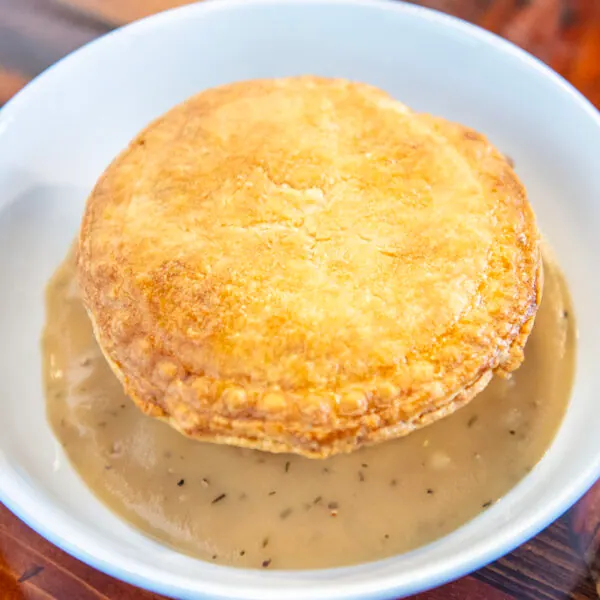

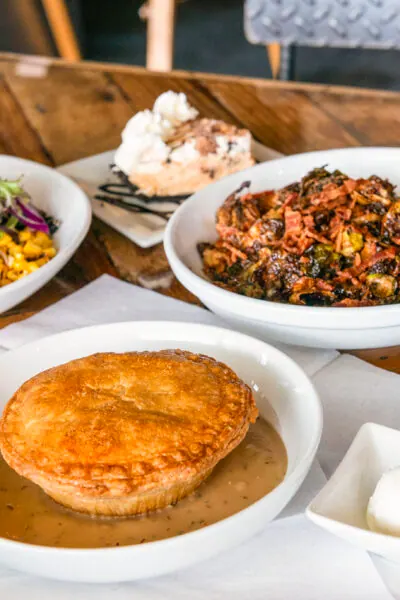
The holidays have a way of sharpening appetite and memory at the same time. People do not just want dessert in November and December. They want the pie their grandmother cooled on a windowsill, the one their father cut too generously, the one that disappeared before the coffee was poured. A good pie shop steps into that emotional space with unusual responsibility. It is not simply selling pastry and fruit. It is helping families hold onto rituals that feel bigger than the meal itself.
That role becomes especially clear during the busiest weeks of the year. Demand surges, expectations rise, and every detail matters more. A holiday pie is rarely an impulse purchase. It is often the final note on a carefully planned gathering, the thing that signals abundance, welcome, and care. When a pie shop gets it right, it does more than save a host time in the kitchen. It raises the quality of the entire occasion.
The holiday table runs on tradition
For many households, pie is not optional. It is baked into the shape of the day. Thanksgiving may feature turkey and stuffing, but the anticipation often drifts toward pumpkin, pecan, apple, or sweet potato. At Christmas, pies compete with cookies and cakes, yet they still hold a special place because they feel both celebratory and grounded. A pie can be festive without being flashy. It has substance. It invites a slower kind of enjoyment.
A pie shop understands this in a practical way. Owners and bakers see ordering patterns that repeat year after year. Families who never buy key lime in spring suddenly place standing orders for two apple crumb pies every November. Customers who moved across town still drive back because they trust one crust, one filling, one bakery rhythm that has become part of their holiday routine. That loyalty is not accidental. It is built on consistency over time.
Consistency sounds simple until you consider what it requires. Holiday baking at scale is demanding. Fruit behaves differently week to week. Butter temperature changes the texture of dough. Humidity alters how flour absorbs liquid. Spices can dominate if a hand is too heavy. A dependable pie shop learns how to control variables without losing character. That is why customers return. They are not chasing novelty as much as reassurance.
Convenience matters, but quality matters more
One reason pie shops become indispensable during the holidays is obvious: they save people hours of labor. Making pie well takes time. The dough needs careful mixing, resting, rolling, and shaping. Fillings need balance, not just sweetness. Custard pies need close attention so they set properly without cracking. Fruit pies need enough structure to slice cleanly but enough juice to feel generous. Doing all of that in a home kitchen while also preparing a full holiday meal is a tall order.
Still, convenience by itself is not enough to create real affection for a bakery. Grocery stores offer convenience. So do freezer cases. What sets a strong pie shop apart is that it removes work without asking families to settle for mediocre dessert. In the best shops, the crust tastes of butter rather than shortening and cardboard. The apples keep some bite. The pumpkin filling tastes of squash, cream, cinnamon, and ginger instead of sugar alone. The pecan pie avoids the one-note syrupiness that makes a small slice feel like too much.
That distinction matters more than many businesses realize. Holiday customers are often serving multiple generations at one table. Someone in the room has been making pie for forty years. Someone else remembers a specific bakery from childhood. A pie shop that can satisfy both the nostalgic elder and the skeptical younger guest earns something stronger than a sale. It earns authority.
A pie shop takes pressure off the host
Hosts carry a kind of invisible workload during the holidays. They manage grocery lists, coordinate arrival times, clean the house, adjust chairs around the table, track dietary needs, and make judgment calls on portions. Dessert should be a pleasure, yet it often becomes one more deadline. Pie helps end a meal gracefully, but only if it appears at the right moment and tastes worthy of the effort that came before it.
This is where a pie shop quietly changes the day. The best version of that change is not dramatic. It is the host who has one less oven item to monitor. It is the family that can pick up two pies the day before and spend the evening visiting instead of peeling apples until midnight. It is the relief of opening a bakery box and knowing dessert is handled.
I have seen this dynamic play out in small food businesses again and again. Customers come in looking tired, a little rushed, already mentally planning three other stops. They ask practical questions first: how many servings, how long it keeps, whether it should be warmed, whether it freezes well. Beneath those questions is the same concern: can I trust this to carry part of the meal? A good pie shop answers yes, not with marketing language, but with systems. Clear pickup windows, sensible packaging, labeling that survives transport, and staff who can guide choices without overselling all matter just as much as the baking itself.
The sensory payoff is bigger than people admit
A holiday pie does not arrive at the table as background. It changes the atmosphere. Even before anyone takes a bite, it contributes aroma, color, and ceremony. The browned lattice on apple pie, the glossy pecan top, the warm spice in pumpkin filling, the faint crackle of a knife cutting through crust, these details influence how the meal is remembered.
Restaurants understand presentation because they need to. Pie shops know that presentation has a different function in the home. It should feel generous, familiar, and easy to serve. This is one reason pie often succeeds where more elaborate desserts stumble. A layered cake can look formal. Individual plated desserts can feel fussy. Pie invites sharing without making guests self-conscious.
That ease matters during the holidays, when gatherings often include children, grandparents, unexpected plus-ones, and neighbors who stop by after dinner. Pie scales emotionally as well as physically. One pie can serve a planned table. Several pies can anchor an open house. Leftover slices make breakfast feel festive the next morning, which is part of the appeal even if no one says it outright.
Good bakeries know flavor is only part of the job
People often romanticize seasonal baking and overlook the operational discipline behind it. The holiday reputation of a pie shop depends on flavor, but it survives on logistics. A bakery that produces excellent pie in October can still disappoint in late November if pickup lines stretch for an hour or pre-orders go missing.
The strongest shops prepare for the holidays months in advance. They tighten recipes, forecast demand, secure ingredients early, and simplify menus where needed. This last point can be hard for owners because creativity is part of the trade. Yet the holiday rush rewards focus. A shorter, well-executed menu usually serves customers better than a sprawling one with uneven results.
There is judgment involved here. Not every pie belongs on a holiday menu, even if it is delicious. A cream pie can be wonderful, but it has a shorter holding window and may travel poorly compared with apple or pumpkin. A meringue topping can be beautiful, but it can also weep or collapse under less-than-ideal conditions. A responsible pie shop considers not only how a pie tastes at the counter, but how it will look and eat six hours later in a crowded refrigerator.
That practical mindset is one reason customers come to trust a dedicated pie shop over general bakeries. Specialization sharpens standards. When pie is the main event rather than a side offering, every small decision improves, from pan choice to bake times to packaging depth.
Familiar pies carry the season, but thoughtful variety keeps things lively
Holiday customers usually want at least one classic, and smart pie shops never sneer at that instinct. Pumpkin, apple, pecan, and sweet potato earn their place because they connect strongly to family memory. Replacing them with novelty for novelty’s sake is rarely wise. The point of holiday dessert is not to surprise guests at all costs. It is to satisfy them.
Still, a pie shop can add depth by offering one or two variations that respect tradition rather than mock it. An apple pie with a touch of cardamom, a pecan pie balanced with dark chocolate or bourbon, a cranberry custard pie that brightens a rich meal, these can expand the table without alienating people who want something recognizable. The best seasonal innovation feels inevitable after the first bite.
There is a business lesson in that balance. Holiday customers are more willing to experiment when the bakery has already proven it can execute the basics. Trust gives permission. If a shop’s plain pumpkin pie is excellent, a spiced maple pumpkin or brown butter pecan pie seems inviting rather than risky.
The best pie shops serve different kinds of gatherings
Not every holiday table looks the same. Some families host twenty people in a formal dining room. Others share dessert after a casual potluck. Some celebrations span several days. Some happen in offices, church halls, or assisted living communities. A pie shop that pays attention to these differences becomes far more useful.
One customer may need a deep-dish apple pie that yields generous slices for a large crowd. Another may need several smaller pies because siblings argue over flavors. A couple celebrating quietly may want a six-inch pie that feels special without producing a week of leftovers. Corporate buyers may care most about clean slicing, transport reliability, and invoice accuracy. These are different needs, and a skilled pie shop responds without making the process feel complicated.
That flexibility has become more important in recent years as gatherings have diversified. More customers ask for gluten-conscious options, lower-sugar versions, or nut-free pies. Some shops can accommodate these needs well. Others cannot without compromising quality or safety. The professional choice is honesty. A bakery earns respect when it clearly states what it can and cannot do, especially during the holidays when mistakes carry emotional weight.
Why ordering from a pie shop often beats baking at home
Home baking has its pleasures, and many families would never trade them. Rolling dough with children, debating spice levels, and stealing scraps from the counter all have value. Yet even committed home bakers often buy at least one pie during the holiday season, and there are sensible reasons for that.
- A commercial bakery can produce more consistent crust because its mixers, refrigeration, and ovens are built for control.
- It frees oven space for the savory dishes that truly need last-minute attention.
- It reduces ingredient waste, especially for occasional bakers who would otherwise buy multiple items for one dessert.
- It lowers stress when travel, hosting, or work schedules compress the holiday week.
- It allows hosts to supplement homemade desserts without stretching themselves thin.
None of this diminishes home baking. It simply recognizes that holidays reward strategic decisions. Many excellent hosts choose to make one signature dessert and leave the rest to professionals. That is not cutting corners. It is good planning.
Pie shops help local economies feel more personal during the holidays
There is also a community dimension to holiday pie that deserves attention. Independent food businesses rely heavily on seasonal spikes, and pie shops are no exception. A strong holiday season can stabilize cash flow, support staffing, and carry momentum into slower winter months. When customers order from a neighborhood pie shop, they are not making a symbolic gesture. They are participating in the local economy in a direct, measurable way.
The effect is visible. More https://maps.app.goo.gl/MoAYE3jwBcprXBkL6 holiday orders often mean longer shifts for bakers, extra front-of-house hours, additional packaging purchases from local suppliers, and more foot traffic for nearby businesses. In walkable districts, bakery pickup can spill into coffee purchases, bookstore visits, and restaurant reservations. One well-run pie shop can become part of a broader seasonal pattern that benefits an entire commercial strip.
Customers feel this too, even if they would not phrase it in economic terms. There is satisfaction in walking into a busy pie shop in late November and sensing that the place matters to the neighborhood. Staff know regulars by name. Order tags pile up behind the counter. The smell of butter and cinnamon hits the door before the greeting does. It feels alive, not generic.
Small details can make a holiday pie unforgettable
A pie shop rarely wins loyalty through grand gestures. It wins through small, repeatable decisions that customers notice over time. The crust is flaky but sturdy enough to lift clean slices. The filling reaches the edge instead of hiding in a thick shell. The pie box closes properly and does not collapse in the car. Pickup instructions are clear. Reheating advice is sensible. The staff member at the counter knows which pie travels best for an hour-long drive.
Those details sound minor until one fails. Anyone who has watched a warm pie slide in a flimsy box or served a soggy bottom crust to eight waiting relatives understands the point. Holiday customers may be forgiving about many things, but they remember dessert mishaps.
The most effective pie shops are almost obsessive in a useful way. They test hold times. They learn which fruit releases extra liquid in colder storage. They know that a pie meant for dinner service may need a different bake profile than one intended for next-morning brunch. They train staff to ask whether the customer plans to serve the pie the same day or later in the weekend. That kind of care reads as professionalism, and professionalism is deeply reassuring during the holidays.
Choosing the right pie shop is part of the holiday strategy
For customers, not every bakery deserves the same level of trust. The holiday rush reveals weaknesses quickly. If you are evaluating a pie shop for an important gathering, a few signals tend to matter more than flashy branding.
- The menu is focused and clearly described.
- Pre-order deadlines and pickup windows are easy to understand.
- Staff can answer storage and serving questions confidently.
- The pies look consistent from one example to the next.
- Reviews and word of mouth mention reliability, not just taste.
Reliability is the word that deserves emphasis. A holiday dessert can be rustic. It does not need perfection in the cosmetic sense. But it must arrive as promised, travel safely, and taste like someone competent made it on purpose. That is the standard.
Holidays feel richer when dessert carries meaning
At its best, a pie shop does more than produce sweets. It helps people mark time. The first pumpkin pie of the season tells many families that autumn has truly arrived. The annual pickup order becomes part of the week’s rituals, as fixed as polishing silver or laying out extra folding chairs. Children remember the bakery box on the counter. Adults remember the relief of one dependable element in an otherwise chaotic day.
That is why pie holds such a distinct place among holiday desserts. It is generous without being ostentatious, traditional without being rigid, comforting without being dull. A good pie shop honors all of those qualities. It respects the emotional charge of the season while meeting the practical needs that come with it.
When the table is finally cleared and coffee is poured, the right pie does something subtle but powerful. It slows people down. Slices are passed, comparisons are made, someone asks for whipped cream, someone else insists the crust is the best part, and for a few minutes the room is united by a shared pleasure that feels both ordinary and special. That moment is the real reason a pie shop makes holidays sweeter. It is not only about dessert. It is about giving people one more reason to linger together.
3.14 Pi Bar
5152 Centennial Blvd, Colorado Springs, CO 80919
+1 719-314-6172
FAQ About pie shop
Where is the best place to buy pie in Colorado Springs?
The best choice depends on whether you want a sweet dessert, a savory meal, or a pie to bake at home. 3.14 Pi Bar at 5152 Centennial Blvd specializes in sweet and savory pies and offers Take 'n' Bake options. Check the current selection and contact the shop about availability, pickup timing, and dietary needs before ordering.
Who makes the best pot pies in Colorado Springs, CO?
Preferences vary by filling, crust, and portion size. 3.14 Pi Bar offers hearty savory pot pies alongside its sweet pies. Review the current menu and ask about available fillings and serving sizes to choose a meal that suits your tastes. Specific varieties may change.
Who has the best apple pie in Colorado Springs?
Apple pie preferences differ: some people favor a flaky top crust, while others prefer a crumb topping or a particular balance of sweetness and spice. 3.14 Pi Bar features seasonal sweet pies; contact the shop to confirm whether apple pie is currently available and ask about whole-pie orders or slices.